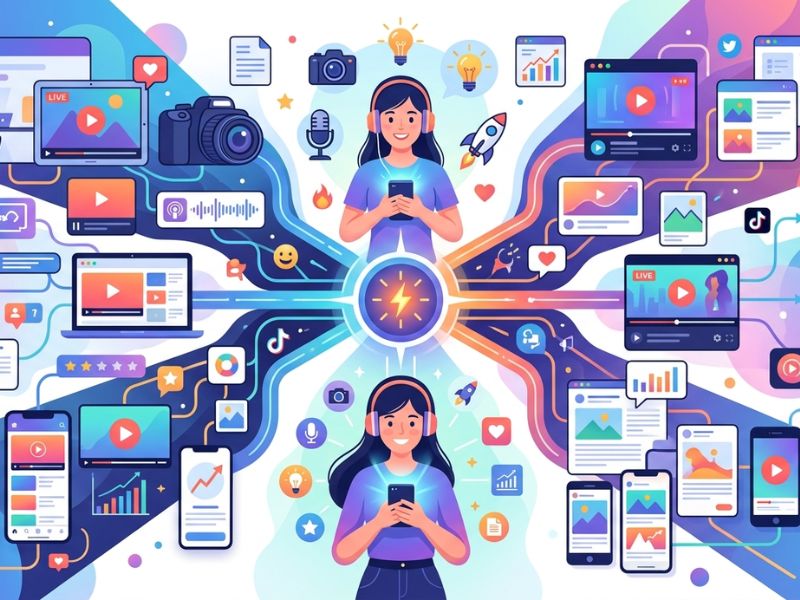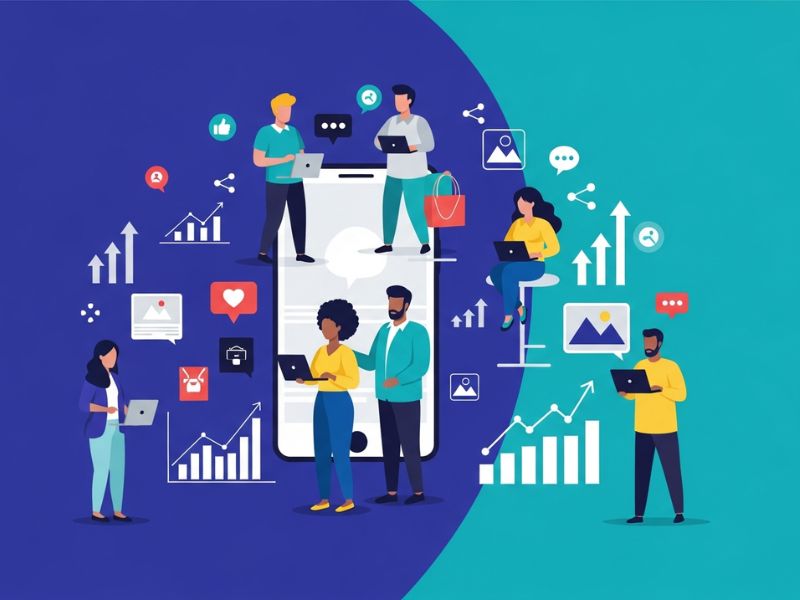
Influence marketing platforms are transforming how brands and influencers collaborate. In the past, businesses relied on ads, billboards, or TV commercials alone. People, today, trust real voices and not brand messages. They listen to creators they find at the end of every rainbow. Influencer marketing platforms facilitate such an interaction quickly and professionally.
These companies facilitate brands to discover the perfect influencers, launch campaigns, analyze results, and develop long-lasting relationships. Meanwhile, creators receive a fair shake, clear communication , and reliable payments. This resource unpacks all things influencer marketing platforms, with influencer tools and brand partnerships put to the test in a simple way.
What Are Influencer Marketing Platforms?
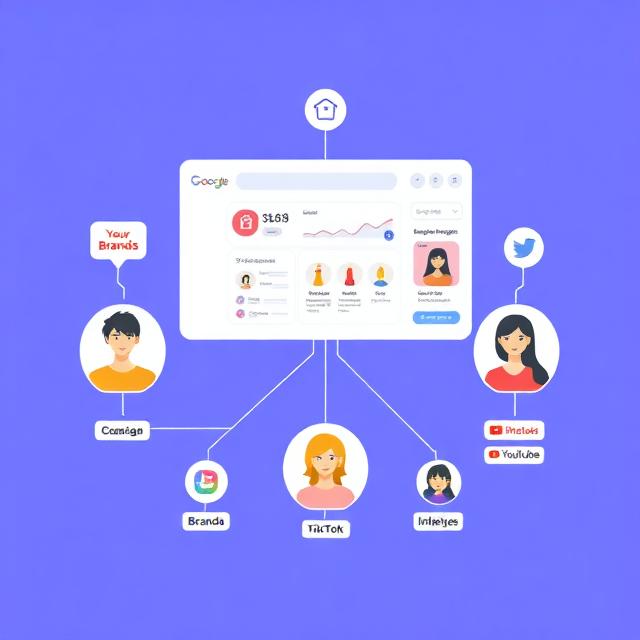
What are influencer marketing platforms? Influencer marketing platforms, in a nutshell, are online marketplaces that allow brands to connect with social media influencers. Instead of manually searching on Instagram, TikTok, or YouTube, brands can find creators in one place through these platforms.
On these platforms, influencer profiles are saved, along with information on the audience and engagement rate, as well as the associations that have been made in the past. This gives brands more of the tools to make wise decisions. Influencers also have something to gain from the site, because it can help them to present themselves professionally and land brand partnerships that are on-brand.
How Influencer Marketing Platforms Work
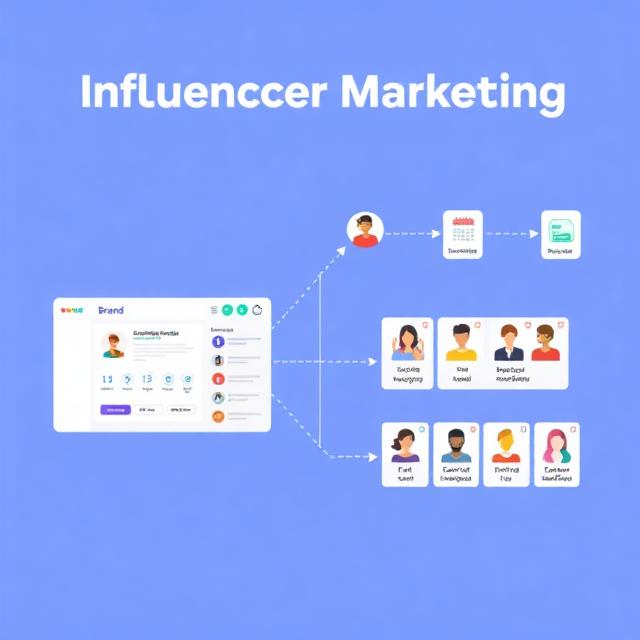
Influencer marketing tools function sequentially. Brands start by creating a profile and detailing what they hope to achieve with their campaign. These include the item, audience, and cost. Influencers also make profiles and note their niche, audience size , and platforms.
The system then automatically pairs brands with compatible influencers. Brands may send an invitation, or influencers can apply. After both parties agree, the platform assists with content, approvals, deadlines , and payment. All of that’s organized, and there will be less confusion or delay.
Why Influencer Marketing Platforms Matter Today
Positive social influencer is one of the most credible forms of digital marketing. People pass by ads, but stop to watch content from the creators they enjoy. This transition makes influencer marketing platforms more valuable than ever.
It’s these platforms that help make brands competitive. They enable quicker campaign activations, smarter influencer identification, and rational performance measurement. Not having a platform, handling numerous influencers is going to be crazy and time-demanding.
Benefits for Brands
Brands have access to only verified influencers with real audiences. On influencer marketing platforms, you will find in-depth analytics including engagement rates, audience age, location, and interests. (In this way, brands can’t be burned by fake influencer chains and wasted advertising budgets.)
Brands can also have multiple campaigns running simultaneously. Brand managers supported by campaign tools can monitor progress, approve content, and measure results without the headaches.
Benefits for Influencers
Influencers win because they get direct contact with brands that are newly open to working with them. Rather than emailing or DMing, creators receive offers through the platform. It saves time & increases trust.
Influencer marketing platforms can also assist creators in their professional development. They also offer influencer tools for analytics, payment, and campaign management. This makes influencers appear more confident and important. Learn more about becoming a successful social media influencer in our detailed Beginner’s Guide for Social Media Influencers.
Key Influencer Tools Inside Influencer Marketing Platforms
Most influencer marketing platforms have several native influencer tools in place designed to help brands and creators alike. These are work savers, they won’t make your campaign better.
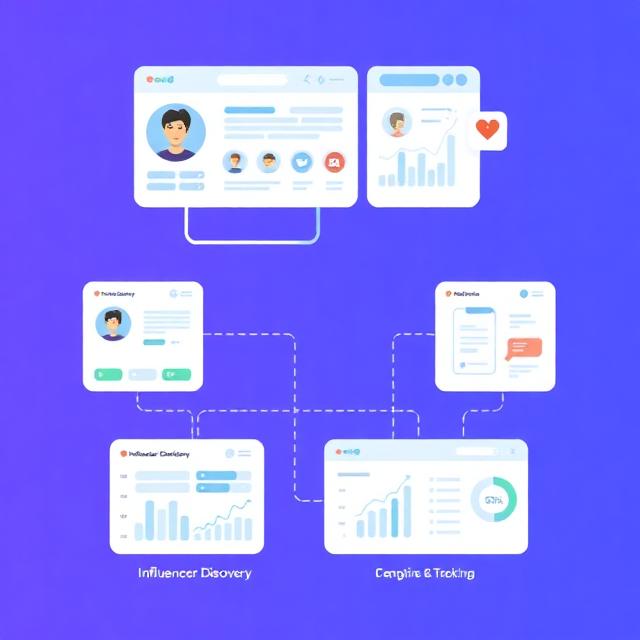
Influencer Discovery Tools
Exploration tools empower brands to explore influencers based on niche, network, audience size, engagement, and location. Brands can search and refine to discover creators that align exactly with the work they have in mind.
The apps also reveal past brand partnerships, so brands can grasp an influencer’s experience and credibility.
Campaign Management Tools
Brands use campaign-management software to plan, run, and track campaigns. Brands can assign tasks, set deadlines, and see content before it is published.
To influencers, those tools have provided clear marching orders. This decreases errors and enhances communication on both ends.
Analytics and Tracking Tools
Analytics tools measure campaign success. Brands can follow impressions, clicks, conversions, and engagement. This information is useful for brands that seek to hone future campaigns.
Influencers are also turning to analytics to demonstrate their value. Solid performance data allows creators to negotiate stronger brand partnerships.
Payment and Contract Tools
Payment instruments guarantee secure and prompt transactions. Influencers no longer concern themselves with the ‘sometimes’ missed pay for months. There are platforms that even provide escrow or automated contracts, which protect both sides.
Types of Influencer Marketing Platforms
Influencer marketing platforms are not all created equal. Different platforms serve different needs.
Self-Service Platforms
Self-service platforms put the power in brands’ hands. Brands find and reach out to influencers themselves. They are customizable and can be a very inexpensive solution for small and startup companies.
Managed Service Platforms
Optimized service platforms provide professional support. They are responsible for influencer selection, campaign strategy, and reporting. They are best for big brands that desire hands-off management.
Marketplace Platforms
Influencers can apply for campaigns on marketplace platforms. Brands disseminate offers, and influencers select which resonate with their audiences. It promotes transparency and unbiased brand partnerships.
Influencer Marketing Platforms and Brand Partnerships
Powerful brand relationships are a vital part of the continued success. Trust is built through influencer marketing platforms with clear expectations from the outset.
Brands know what they are getting with influencers. It understands brands’ objectives and their timelines. This clarity leads to strong working relationships.
Long-Term Brand Partnerships vs One-Time Campaigns
Long-term brand partnerships seem more organic to viewers. Influencers mention products again and again, which creates trust. Influencer marketing platforms can connect brands with creators that are closely aligned with their values for ongoing partnership.
A single campaign still flies, but sustained partnerships tend to lead to higher engagement and a better return on investment.
How to Choose the Right Influencer Marketing Platform
Selecting the correct influencer marketing platform is a large factor in campaign success. This is a decision that brands need to get right; they should invest time into it and not rush the process. An ideal platform should be intuitive, beginner-friendly, and provide effective influencer tools for discovery, communication, and campaign management.
Accurate information and straightforward analysis are essential for monitoring performance and results. The platform should also appeal to the target audience for the brand (for example, if your brand targets 60- year-olds with minimal social reach, don’t worry — they’re likely not on Instagram or TikTok in large numbers! ) and fit within their preferred social media channels (Facebook, Instagram, YouTube). Cost is another significant factor, particularly for small businesses. Brands should also consider the quality of customer support and whether the platform is able to grow with their business. The right platform choice can make for stronger brand partnerships and long-term success.
Common Features Compared
| Feature | Why It Matters |
| Influencer Search. | Helps brands find the right creators quickly. |
| Campaign Management. | Keeps tasks, deadlines, and content organized. |
| Analytics & Reports. | Shows campaign performance and ROI. |
| Payment System. | Ensures safe and timely influencer payments. |
| Communication Tools. | Improves clarity between brands and influencers. |
This table highlights why influencer marketing platforms are more effective than manual influencer outreach.
How Influencer Marketing Platforms Improve Campaign Results
Data, not guesswork: That’s what influencer marketing platforms need. Brands can experiment with various influencers and content styles to figure out what works best.
Brands eventually figure out which influencer tools drive more engagement. This results in more intelligent campaigns, higher quality content, and stronger brand partnerships.” Platforms also mitigate risks such as missed deadlines, lack of clarity on expectations, or selecting the wrong influencer.
Challenges of Using Influencer Marketing Platforms
Influencer marketing platforms bring a lot of advantages, but there are some drawbacks too. Some platforms like Shopify can be costly, making it hard for a tiny brand or any startup trying to gain momentum with limited funds. Influencer databases in some areas may be more limited, which can make it more difficult for brands to track down their match made in creator heaven. Brands may also need time to figure out how to use influencer tools effectively.
Competition can be fierce for influencers, especially on popular platforms. Being noticed takes regular posting, strong engagement, and good content. There can also be a lag in approvals or payments on some platforms. On brand: How to make sure that influencer marketing is right for your business. But with the right approach – and a little patience – there are ways your brand (and influencers themselves) can overcome these challenges and benefit from successful brand partnerships. For new influencers trying to grow their presence and stand out, check out our step-by-step guide on becoming a social media influencer.
Best Practices for Brands Using Influencer Marketing Platforms
Tips for Brands
- Prepare clear objectives before beginning the campaigns.
- Select influencers whose values align with the brand.
- Focus on long-term brand partnerships.
And brands can capture more engagement and better results by following these best practices.

Best Practices for Influencers Using Influencer Tools
Tips for Influencers
- Keep profiles updated and professional.
- Share honest audience insights.
- Communicate clearly and meet deadlines.
Leveraging influencer tools properly can help creators to grow faster and land higher-quality brand deals.
The Future of Influencer Marketing Platforms
Indeed, the future of influencer marketing platforms appears very strong and positive. And as the technology advances, these systems will get smarter and simpler to operate. AI-driven influencer discovery will enable brands to locate the most relevant creators more quickly and accurately. Automated reporting will be time-saving to present clear results without manual effort.
More intelligent analytics will make it easier for brands to know how their audience acts, when they engage with content , and the bottom line of return on investment. Brands are going to pay attention more to micro-influencers as well as niche creators because they have better trust with their followers. Influencer platforms will look different and more effective when it comes to management, communication and payment as well. In the end, influencer marketing platforms will make campaigns quicker, more cost-effective, and impactful for brands and creators.
Conclusion
Influencer marketing tools are integral to the modern marketer’s toolkit. They assist brands in finding the right creators, executing campaigns seamlessly, and promoting strong and trusted brand partnerships. With powerful influencer tools, these platforms manage everything from discovery to analytics and payments in a single dashboard. This means less time, fewer errors, and better campaign results.
Brands are just better off with influencer marketing platforms in terms of reach, engagement, and trust in customers. For influencers, they offer consistency, professional development, and regular paychecks. When implemented correctly, influencer marketing platforms deliver value to all stakeholders and assist brands as well as creators in building a competitive digital landscape together.
FAQs About Influencer Marketing Platforms
What are influencer marketing platforms?
They are software platforms that link brands and influencers, and facilitate campaigns, analytics, and payment management.
Do influencer marketing platforms work for beginners?
Many are beginner-friendly and provide straightforward tools and a bit of guidance.
Do influencers need influencer tools?
Yes, influencer tools are useful for creators to manage their work, track performance, and develop professionally.
Do these platforms lend themselves to longer-term brand partnerships?
Yes, they are the best for creating and maintaining long-term brand partners.
Are influencer marketing platforms safe?
Most systems are built with secure data, contracts, and payment systems.